Lord Jagannath Rath Yatra 2026: Complete Guide to Date, History, Significance, Rituals, Chariots, Puja Vidhi & Spiritual Importance
Blog
Discover everything about Lord Jagannath Rath Yatra 2026, including the festival date, historical background, religious significance, the story of Lord Jagannath, the three sacred chariots, major rituals, step-by-step puja vidhi, Bahuda Yatra, Suna Besha, Kanwar traditions, and the spiritual benefits of participating in this grand Hindu festival. This comprehensive guide will help devotees understand the rich traditions and deep spiritual meaning of one of India's most revered festivals.
भगवान जगन्नाथ रथ यात्रा 2026: सम्पूर्ण जानकारी – तिथि, इतिहास, महत्व, पूजा विधि, रथों का परिचय, प्रमुख अनुष्ठान, परंपराएँ और आध्यात्मिक महत्व
परिचय
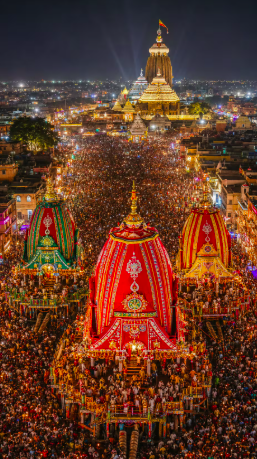
भगवान जगन्नाथ रथ यात्रा हिंदू धर्म के सबसे प्राचीन, भव्य और पवित्र पर्वों में से एक है। यह विश्व प्रसिद्ध उत्सव प्रत्येक वर्ष ओडिशा के पुरी में बड़े उत्साह और श्रद्धा के साथ मनाया जाता है। इस दिन भगवान जगन्नाथ, उनके बड़े भाई भगवान बलभद्र (बलराम) और बहन माता सुभद्रा अपने भव्य लकड़ी के रथों पर विराजमान होकर श्री जगन्नाथ मंदिर से गुंडिचा मंदिर तक यात्रा करते हैं।
यह यात्रा केवल एक धार्मिक आयोजन नहीं, बल्कि भगवान के अपने भक्तों के बीच आने, सभी को समान रूप से आशीर्वाद देने और प्रेम, समानता तथा सेवा का संदेश देने का दिव्य उत्सव है। भारत ही नहीं बल्कि दुनिया भर से लाखों श्रद्धालु इस यात्रा में शामिल होने के लिए पुरी पहुँचते हैं।
वर्ष 2026 में भगवान जगन्नाथ रथ यात्रा 16 जुलाई 2026 (गुरुवार) को मनाई जाएगी।
भगवान जगन्नाथ रथ यात्रा 2026 की तिथि
- पर्व: भगवान जगन्नाथ रथ यात्रा
- तिथि: 16 जुलाई 2026 (गुरुवार)
- हिंदू पंचांग: आषाढ़ शुक्ल द्वितीया
- स्थान: पुरी, ओडिशा
भगवान जगन्नाथ कौन हैं?
जगन्नाथ शब्द का अर्थ है "जगत के नाथ" अर्थात सम्पूर्ण विश्व के स्वामी।
भगवान जगन्नाथ को भगवान विष्णु तथा भगवान श्रीकृष्ण का दिव्य स्वरूप माना जाता है।
भगवान जगन्नाथ के साथ सदैव पूजा की जाती है—
- भगवान बलभद्र (बलराम)
- माता सुभद्रा
- सुदर्शन चक्र
ये चारों मिलकर प्रेम, धर्म, शक्ति, करुणा और विश्व कल्याण का संदेश देते हैं।
भगवान जगन्नाथ की पूजा क्यों की जाती है?
भगवान जगन्नाथ की पूजा इसलिए की जाती है क्योंकि वे—
- सम्पूर्ण विश्व के पालनकर्ता हैं।
- सभी भक्तों को समान दृष्टि से देखते हैं।
- प्रेम और करुणा के प्रतीक हैं।
- भक्तों के दुःख दूर करते हैं।
- मोक्ष का मार्ग दिखाते हैं।
- धर्म की रक्षा करते हैं।
- सभी जाति, वर्ग और समुदाय के लोगों को समान रूप से स्वीकार करते हैं।
जगन्नाथ रथ यात्रा क्यों निकाली जाती है?
मान्यता के अनुसार भगवान जगन्नाथ प्रत्येक वर्ष अपने भाई बलभद्र और बहन सुभद्रा के साथ अपनी मौसी के घर, अर्थात गुंडिचा मंदिर की यात्रा करते हैं।
यह यात्रा प्रेम, परिवार, भक्ति और भगवान के अपने भक्तों के बीच आने का प्रतीक है।
रथ यात्रा यह संदेश देती है कि भगवान केवल मंदिरों तक सीमित नहीं हैं, बल्कि वे स्वयं अपने भक्तों तक पहुँचते हैं और सभी पर समान कृपा बरसाते हैं।
भगवान जगन्नाथ की कथा
एक प्रसिद्ध कथा के अनुसार भगवान श्रीकृष्ण, बलराम और सुभद्रा एक बार वृंदावन की लीलाओं का स्मरण कर रहे थे। उन दिव्य लीलाओं का स्मरण करते-करते तीनों अत्यंत आनंद और प्रेम में मग्न हो गए।
देवर्षि नारद ने भगवान के इस अद्भुत स्वरूप के दर्शन किए और प्रार्थना की कि यही स्वरूप सदैव संसार के कल्याण के लिए स्थापित रहे।
तभी से भगवान जगन्नाथ, बलभद्र और सुभद्रा के वर्तमान स्वरूप की पूजा की जाने लगी।
भगवान जगन्नाथ की मूर्तियाँ लकड़ी की क्यों होती हैं?
अधिकांश हिंदू मंदिरों में पत्थर या धातु की मूर्तियाँ होती हैं, लेकिन पुरी के जगन्नाथ मंदिर में भगवान की मूर्तियाँ पवित्र नीम (दारु) की लकड़ी से बनाई जाती हैं।
यह हमें सिखाती हैं कि—
- शरीर नश्वर है।
- आत्मा अमर है।
- भगवान हर रूप में विद्यमान हैं।
लगभग 12 से 19 वर्षों के अंतराल पर नवकलेवर नामक विशेष परंपरा के अंतर्गत नई मूर्तियों का निर्माण किया जाता है।
जगन्नाथ रथ यात्रा का इतिहास
भगवान जगन्नाथ रथ यात्रा का इतिहास हजारों वर्षों पुराना माना जाता है।
यह भारत की सबसे प्राचीन धार्मिक यात्राओं में से एक है। सदियों से पुरी में यह परंपरा निरंतर चली आ रही है और आज यह विश्व के सबसे बड़े धार्मिक आयोजनों में गिनी जाती है।
रथ यात्रा केवल भारत ही नहीं बल्कि विश्व के अनेक देशों में भी श्रद्धा और उत्साह के साथ मनाई जाती है।
तीनों दिव्य रथों का परिचय
हर वर्ष भगवानों के लिए नए लकड़ी के रथ बनाए जाते हैं।
1. नंदीघोष (भगवान जगन्नाथ का रथ)
- पहियों की संख्या – 16
- ऊँचाई – लगभग 45 फीट
- ध्वज – त्रैलोक्यमोहिनी
- सारथी – दारुक
2. तालध्वज (भगवान बलभद्र का रथ)
- पहियों की संख्या – 14
- ध्वज – उन्नानी
- सारथी – मातलि
3. दर्पदलन (माता सुभद्रा का रथ)
- पहियों की संख्या – 12
- ध्वज – नादाम्बिका
- सारथी – अर्जुन
इन रथों का निर्माण प्रत्येक वर्ष पारंपरिक विधि और विशेष प्रकार की लकड़ी से किया जाता है।
रथ यात्रा से पहले होने वाले प्रमुख अनुष्ठान
स्नान पूर्णिमा
इस दिन भगवान जगन्नाथ, बलभद्र और सुभद्रा का 108 कलशों के पवित्र जल से स्नान कराया जाता है।
अनवसर
स्नान के बाद मान्यता है कि भगवान अस्वस्थ हो जाते हैं और लगभग 15 दिनों तक सार्वजनिक दर्शन नहीं देते।
नेत्रोत्सव
रथ यात्रा से पहले भगवान की आँखों का पुनः चित्रांकन किया जाता है, जिसे नेत्रोत्सव कहा जाता है।
इसके बाद भक्तों को पुनः भगवान के दर्शन प्राप्त होते हैं।
रथ यात्रा कैसे होती है?
रथ यात्रा के दिन—
- भगवानों को मंदिर से बाहर लाया जाता है।
- उन्हें उनके-अपने रथों पर विराजमान किया जाता है।
- लाखों श्रद्धालु विशाल रस्सियों से रथ खींचते हैं।
- रथ लगभग 3 किलोमीटर की यात्रा कर गुंडिचा मंदिर पहुँचते हैं।
ऐसी मान्यता है कि भगवान के रथ को खींचने का सौभाग्य अत्यंत पुण्यदायक होता है।
छेरा पहरा (छेरा पहंरा)
रथ यात्रा का सबसे विशेष अनुष्ठान छेरा पहरा कहलाता है।
इसमें पुरी के गजपति महाराज स्वर्ण झाड़ू से भगवान के रथ को साफ करते हैं और सुगंधित जल का छिड़काव करते हैं।
यह परंपरा सिखाती है कि भगवान के सामने सभी समान हैं—चाहे वे राजा हों या सामान्य व्यक्ति।
गुंडिचा मंदिर में प्रवास
भगवान जगन्नाथ, बलभद्र और माता सुभद्रा कुछ दिनों तक गुंडिचा मंदिर में विराजमान रहते हैं।
इस दौरान लाखों श्रद्धालु उनके दर्शन करते हैं।
बहुदा यात्रा
गुंडिचा मंदिर से भगवान की वापसी यात्रा को बहुदा यात्रा कहा जाता है।
वर्ष 2026 में बहुदा यात्रा 24 जुलाई 2026 को मनाई जाएगी।
सुना बेष
वापसी के बाद भगवानों को स्वर्ण आभूषणों से सजाया जाता है।
इस दिव्य श्रृंगार को सुना बेष कहा जाता है।
यह रथ यात्रा के सबसे आकर्षक और महत्वपूर्ण अनुष्ठानों में से एक है।
अधर पाना
इस अनुष्ठान में भगवानों को विशेष प्रकार का मीठा पेय अर्पित किया जाता है।
नीलाद्रि बीजे
यह अंतिम अनुष्ठान होता है जिसमें भगवान पुनः श्री जगन्नाथ मंदिर के गर्भगृह में विराजमान होते हैं।
इसी के साथ रथ यात्रा का समापन होता है।
घर पर भगवान जगन्नाथ की पूजा कैसे करें?
यदि आप पुरी नहीं जा सकते, तो घर पर भी श्रद्धापूर्वक पूजा कर सकते हैं।
पूजा सामग्री
- भगवान जगन्नाथ की प्रतिमा या चित्र
- तुलसी दल
- पुष्प
- फल
- धूप
- दीपक
- चंदन
- मिठाई
- गंगाजल
पूजा विधि (स्टेप बाय स्टेप)
चरण 1
प्रातः स्नान कर स्वच्छ वस्त्र धारण करें।
चरण 2
पूजा स्थान को साफ करके भगवान की प्रतिमा स्थापित करें।
चरण 3
दीपक और धूप जलाएँ।
चरण 4
भगवान को पुष्प, तुलसी, फल और भोग अर्पित करें।
चरण 5
निम्न मंत्रों का जाप करें—
ॐ नमो भगवते वासुदेवाय
या
हरे कृष्ण हरे कृष्ण कृष्ण कृष्ण हरे हरे
हरे राम हरे राम राम राम हरे हरे
यदि संभव हो तो जगन्नाथ अष्टकम का पाठ भी करें।
चरण 6
भगवान की आरती करें।
चरण 7
अपने परिवार, समाज और सम्पूर्ण विश्व के कल्याण की प्रार्थना करें।
भगवान जगन्नाथ की पूजा के लाभ
धार्मिक मान्यताओं के अनुसार श्रद्धापूर्वक पूजा करने से—
- मन को शांति मिलती है।
- परिवार में सुख-समृद्धि आती है।
- जीवन की बाधाएँ दूर होती हैं।
- सकारात्मक ऊर्जा प्राप्त होती है।
- भगवान की कृपा प्राप्त होती है।
- आध्यात्मिक उन्नति होती है।
- मोक्ष की प्राप्ति का मार्ग प्रशस्त होता है।
ये लाभ श्रद्धा और धार्मिक विश्वास पर आधारित माने जाते हैं।
रथ यात्रा के दौरान क्या करें?
✔ भगवान जगन्नाथ का नाम जप करें।
✔ भजन और कीर्तन में भाग लें।
✔ श्रीमद्भगवद्गीता और श्रीमद्भागवत का पाठ करें।
✔ भगवान को भोग अर्पित करें।
✔ गरीबों को भोजन और वस्त्र दान करें।
✔ सेवा और परोपकार करें।
✔ सभी के प्रति प्रेम और सम्मान रखें।
रथ यात्रा के दौरान क्या नहीं करना चाहिए?
- क्रोध करना।
- झूठ बोलना।
- किसी का अपमान करना।
- मांसाहार और नशे का सेवन (पारंपरिक व्रत पालन करने वालों के लिए)।
- नकारात्मक विचार रखना।
- दूसरों को कष्ट पहुँचाना।
रथ यात्रा का आध्यात्मिक महत्व
भगवान जगन्नाथ रथ यात्रा हमें सिखाती है—
- भगवान सभी के हैं।
- सभी मनुष्य समान हैं।
- सेवा ही सच्ची भक्ति है।
- अहंकार का त्याग करें।
- प्रेम और करुणा से जीवन जिएँ।
- भगवान तक पहुँचने का मार्ग भक्ति है।
भगवान जगन्नाथ से मिलने वाली जीवन की शिक्षाएँ
भगवान जगन्नाथ हमें प्रेरणा देते हैं—
- सभी से समान प्रेम करें।
- विनम्र बनें।
- दूसरों की सेवा करें।
- धर्म के मार्ग पर चलें।
- ईश्वर पर विश्वास रखें।
- दया और करुणा का पालन करें।
- मानवता का सम्मान करें।
- सदैव सकारात्मक सोच रखें।
निष्कर्ष
भगवान जगन्नाथ रथ यात्रा 2026, जो 16 जुलाई 2026 (गुरुवार) को मनाई जाएगी, केवल एक धार्मिक उत्सव नहीं बल्कि भक्ति, समानता, सेवा, प्रेम और मानवता का महापर्व है। इस पावन अवसर पर भगवान जगन्नाथ, भगवान बलभद्र और माता सुभद्रा अपने भक्तों के बीच आकर यह संदेश देते हैं कि ईश्वर किसी एक स्थान या वर्ग तक सीमित नहीं हैं, बल्कि वे सभी के हैं।
चाहे आप पुरी में रथ यात्रा के दर्शन करें या अपने घर पर श्रद्धापूर्वक भगवान जगन्नाथ की पूजा करें, सबसे महत्वपूर्ण बात सच्ची भक्ति, निष्कपट प्रेम और सेवा भाव है। धार्मिक मान्यताओं के अनुसार इस दिव्य पर्व पर भगवान जगन्नाथ की आराधना करने से जीवन में सुख, शांति, समृद्धि, आध्यात्मिक उन्नति और ईश्वर की विशेष कृपा प्राप्त होती है।
जय जगन्नाथ! 🚩🙏
Lord Jagannath Rath Yatra 2026: Complete Guide – Date, History, Significance, Rituals, Chariots, Puja Vidhi, Traditions & Spiritual Importance
Introduction
Lord Jagannath Rath Yatra, also known as the Festival of Chariots, is one of the oldest, grandest, and most sacred Hindu festivals celebrated every year in Puri, Odisha. The festival marks the divine journey of Lord Jagannath, along with his elder brother Lord Balabhadra and sister Goddess Subhadra, from the Jagannath Temple to the Gundicha Temple in beautifully decorated wooden chariots.
Millions of devotees from across India and around the world gather in Puri to witness this magnificent event. According to Hindu beliefs, participating in or even witnessing the Rath Yatra with devotion brings divine blessings, removes obstacles, and helps one progress on the path of righteousness. The Rath Yatra is celebrated on Ashadha Shukla Dwitiya, which falls on Thursday, 16 July 2026.
Jagannath Rath Yatra 2026 Date
- Festival: Lord Jagannath Rath Yatra
- Date: 16 July 2026 (Thursday)
- Tithi: Ashadha Shukla Dwitiya
- Location: Puri, Odisha, India
What is Jagannath Rath Yatra?
Jagannath Rath Yatra is an annual Hindu festival during which Lord Jagannath, Lord Balabhadra, and Goddess Subhadra leave the sanctum of the Jagannath Temple and travel approximately 3 kilometers to the Gundicha Temple in three massive wooden chariots pulled by thousands of devotees. This sacred journey symbolizes God's willingness to come out of the temple and bless everyone equally, irrespective of caste, status, or background.
Who is Lord Jagannath?
Lord Jagannath is worshipped as a form of Lord Vishnu and Lord Krishna. The word Jagannath means "Lord of the Universe."
He is worshipped together with:
- Lord Balabhadra (Balarama) – Elder Brother
- Goddess Subhadra – Younger Sister
- Sudarshana Chakra – The Divine Disc of Lord Vishnu
Together they represent divine love, protection, compassion, and universal harmony.
Why is Lord Jagannath Worshipped?
Devotees worship Lord Jagannath because He represents:
- Universal love
- Compassion
- Equality
- Protection of devotees
- Mercy toward all beings
- Divine guidance
- Spiritual liberation (Moksha)
Unlike many temples, Lord Jagannath's festival emphasizes that God comes out among His devotees, blessing everyone without discrimination.
Why is Rath Yatra Celebrated?
According to tradition, Lord Jagannath, Lord Balabhadra, and Goddess Subhadra visit the Gundicha Temple, which is considered the home of their maternal aunt (Mausi). This annual journey symbolizes divine affection, family bonds, and God's accessibility to every devotee.
Another spiritual interpretation is that the journey represents God leaving the sanctum to personally meet His devotees, reminding everyone that divine grace is available to all.
History of Jagannath Rath Yatra
The Jagannath Rath Yatra has been celebrated for many centuries and is regarded as one of the world's oldest continuously celebrated chariot festivals.
Historical records indicate that the tradition has been observed for centuries in Puri according to ancient temple customs. Over time, the festival has become one of India's largest religious gatherings, attracting millions of pilgrims each year.
The Story Behind Jagannath
According to Hindu tradition, Lord Krishna spent His childhood in Vrindavan among His devotees.
One legend says that after hearing stories of Krishna's pastimes in Vrindavan, Krishna, Balarama, and Subhadra entered a profound state of divine bliss. Sage Narada witnessed this extraordinary form and requested that it be manifested for the benefit of humanity. This form later became the unique wooden deities worshipped in Puri.
Why are the Idols Made of Wood?
Unlike most Hindu temples that house stone or metal idols, the deities of Jagannath Temple are carved from sacred neem wood.
According to temple tradition:
- The wooden idols symbolize the temporary nature of the human body.
- The divine soul is eternal.
- Every 12–19 years (depending on astronomical calculations), a sacred ceremony called Nabakalebara is performed, during which new wooden idols are ceremonially carved and consecrated.
The Three Divine Chariots
Every year, three magnificent wooden chariots are built anew.
1. Nandighosha (Lord Jagannath)
- Number of Wheels: 16
- Height: Approximately 45 feet
- Flag: Trailokyamohini
- Charioteer: Daruka
2. Taladhwaja (Lord Balabhadra)
- Number of Wheels: 14
- Flag: Unnani
- Charioteer: Matali
3. Darpadalana (Goddess Subhadra)
- Number of Wheels: 12
- Flag: Nadambika
- Charioteer: Arjuna
Each chariot is constructed using traditional methods by skilled hereditary artisans following ancient temple customs.
Major Rituals Before Rath Yatra
Snana Purnima
The deities are ceremonially bathed with 108 pots of sacred water.
Anavasara
After the ceremonial bath, the deities are believed to become unwell and remain away from public view for about fifteen days.
Netrotsava
Before the Rath Yatra, the eyes of the deities are ceremonially repainted, symbolizing renewed divine vision.
Rath Yatra Procession
On the day of the festival:
- The deities are brought out of the temple.
- They are placed on their respective chariots.
- Thousands of devotees pull the giant chariots using thick ropes.
- The procession travels along the Grand Road (Bada Danda) to the Gundicha Temple.
Pulling the chariot ropes is considered a sacred act of devotion.
The Chhera Pahanra Ceremony
One of the most unique rituals of the Rath Yatra is Chhera Pahanra.
During this ceremony, the Gajapati King of Puri sweeps the platforms of the chariots with a golden broom while sprinkling fragrant water.
This ritual symbolizes humility and teaches that everyone is equal before God, regardless of status or position.
Stay at Gundicha Temple
The deities remain at the Gundicha Temple for several days, during which thousands of devotees visit for darshan and worship.
Bahuda Yatra (Return Journey)
After the stay at Gundicha Temple, the deities return to the Jagannath Temple in the Bahuda Yatra, which is observed on 24 July 2026.
Suna Besha
After returning, Lord Jagannath, Lord Balabhadra, and Goddess Subhadra are adorned with magnificent gold ornaments in a ritual known as Suna Besha, one of the most awaited events of the festival.
Adhara Pana
A sacred sweet drink called Adhara Pana is offered to the deities as part of the concluding rituals.
Niladri Bije
This ceremony marks the return of Lord Jagannath and His siblings into the sanctum of the Jagannath Temple, signifying the completion of the annual Rath Yatra.
How to Worship Lord Jagannath at Home
Devotees who cannot visit Puri may worship at home.
Puja Materials
- Lord Jagannath image or idol
- Flowers
- Tulsi leaves
- Fruits
- Incense
- Ghee lamp
- Sandalwood paste
- Sweets
- Holy water
Step-by-Step Puja Procedure
Step 1
Take a bath early in the morning and wear clean clothes.
Step 2
Clean the worship area and place the idol or picture of Lord Jagannath.
Step 3
Light a diya and incense.
Step 4
Offer flowers, Tulsi leaves, fruits, sweets, and water.
Step 5
Recite:
- Om Namo Bhagavate Vasudevaya
- Hare Krishna Maha Mantra
- Jagannath Ashtakam (if possible)
Step 6
Perform Aarti with devotion.
Step 7
Offer prayers for the welfare of your family, society, and the world.
Benefits of Worshipping Lord Jagannath
According to Hindu beliefs, sincere worship of Lord Jagannath may bring:
- Peace of mind
- Prosperity
- Protection from difficulties
- Success in righteous endeavors
- Family harmony
- Spiritual progress
- Divine grace
- Inner happiness
These benefits are matters of religious faith and personal belief.
What Should Devotees Do During Rath Yatra?
✔ Chant the holy names of Lord Jagannath.
✔ Participate in kirtan and bhajans.
✔ Read sacred scriptures such as the Bhagavad Gita or Srimad Bhagavatam.
✔ Offer food (Bhog) with devotion.
✔ Donate food and clothes to those in need.
✔ Help fellow devotees and pilgrims.
✔ Practice kindness, humility, and compassion.
What Should Be Avoided?
- Anger and hatred.
- Speaking falsehood.
- Hurting others.
- Consuming intoxicants.
- Non-vegetarian food (for those observing the festival traditionally).
- Negative thoughts and actions.
Spiritual Significance of Rath Yatra
The Rath Yatra symbolizes:
- God's unconditional love for humanity.
- Equality among all people.
- The journey of the soul toward God.
- The victory of devotion over ego.
- The importance of humility and selfless service.
It reminds devotees that the Divine is accessible to everyone, regardless of social status or background.
Life Lessons from Lord Jagannath
Lord Jagannath inspires us to:
- Love all beings equally.
- Practice humility.
- Serve others selflessly.
- Follow the path of righteousness.
- Remain devoted to God.
- Live with compassion and kindness.
- Respect all religions and humanity.
- Seek inner peace through faith.
Conclusion
Lord Jagannath Rath Yatra 2026, celebrated on 16 July 2026, is one of Hinduism's most sacred festivals and a powerful expression of devotion, unity, and divine compassion. During this grand celebration, Lord Jagannath, Lord Balabhadra, and Goddess Subhadra leave the Jagannath Temple and travel to the Gundicha Temple, allowing millions of devotees to receive their blessings.
Whether you participate in the Rath Yatra at Puri, attend celebrations elsewhere, or worship from home, the essence of the festival remains the same—faith, humility, selfless service, and devotion to God. According to Hindu tradition, sincere worship during this sacred festival brings peace, spiritual growth, and the blessings of Lord Jagannath, the Lord of the Universe.